You know the old bathtub needs to go. The harder decision is what should replace it.
Some homeowners want a fresh new bathtub. Others realize they barely use the tub at all and would rather have a larger, easier-to-enter shower.
Both options can dramatically improve an outdated bathroom, but the better choice depends on how your household actually uses the space.
Think About How Often You Use Your Bathtub
Start with the simplest question: when was the last time someone actually took a bath?
If the tub is regularly used, replacing it with a new bathtub may make the most sense.
Families with young children, homeowners who enjoy soaking baths, and households that simply prefer having a tub may want to preserve that functionality.
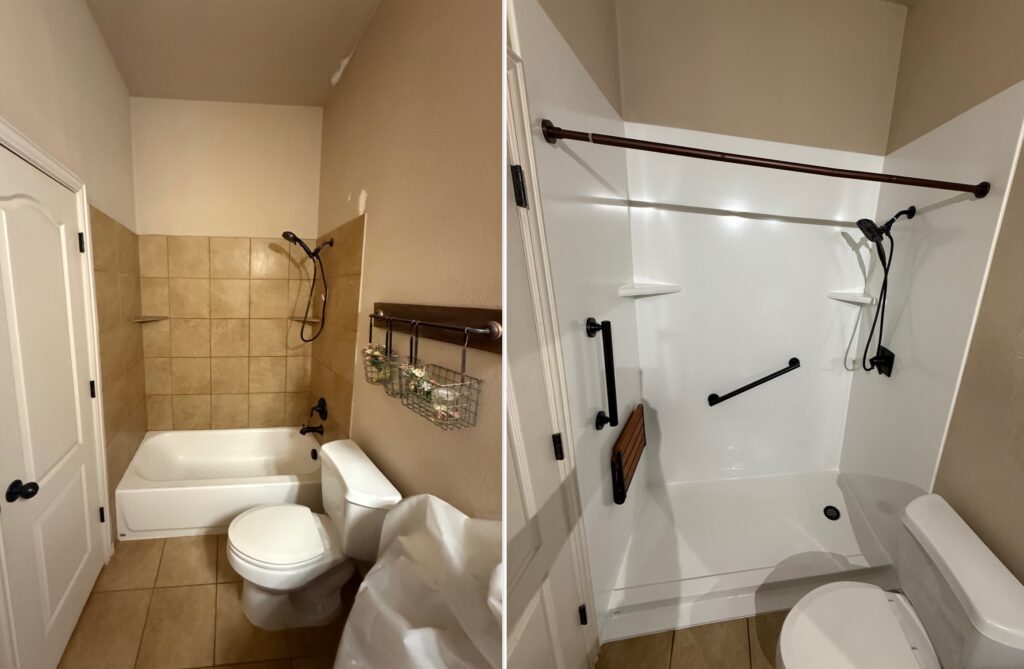
On the other hand, if the bathtub functions mostly as an oversized shower base, converting it into a dedicated shower can make better use of the existing footprint.
Heartland notes that many standard bathtub spaces can be converted into showers after the existing layout and site conditions are evaluated.
Consider Ease of Entry
The side of a bathtub can become one of the least convenient parts of a bathroom.
Every shower requires stepping over it when entering and exiting.
For homeowners who want easier access, replacing the tub with a low-entry shower can reduce that obstacle.
This does not necessarily mean the bathroom needs to be designed specifically for seniors. Easier entry can be useful for homeowners of many ages and can make the shower feel more spacious and convenient.
Decide Whether You Want More Shower Space
A tub-to-shower conversion can change how the entire bathing area feels.
Using the existing tub footprint for a shower can create more standing room and provide space for features such as seating, shelving, grab bars, or a handheld showerhead.
Clear glass can further open the appearance of the bathroom.
If you prefer baths, however, a new bathtub paired with updated walls and fixtures can still dramatically refresh the space.
Consider the Rest of the Home
Homeowners often worry that removing a bathtub will automatically hurt resale value.
There is no universal answer because buyer preferences vary.
Instead of making the decision based solely on a future hypothetical buyer, consider the entire house.
If another bathroom already has a usable bathtub, converting the primary bathroom tub to a shower may be easier to justify.
If it is the home’s only bathtub, you may place more value on keeping one.
Your own daily routine should remain a major part of the decision.
Compare Cleaning and Maintenance
Older tub surrounds can accumulate stained grout, worn caulk, soap buildup, and aging finishes.
Whichever configuration you choose, updating the surrounding surfaces can make the bathing area easier to maintain.
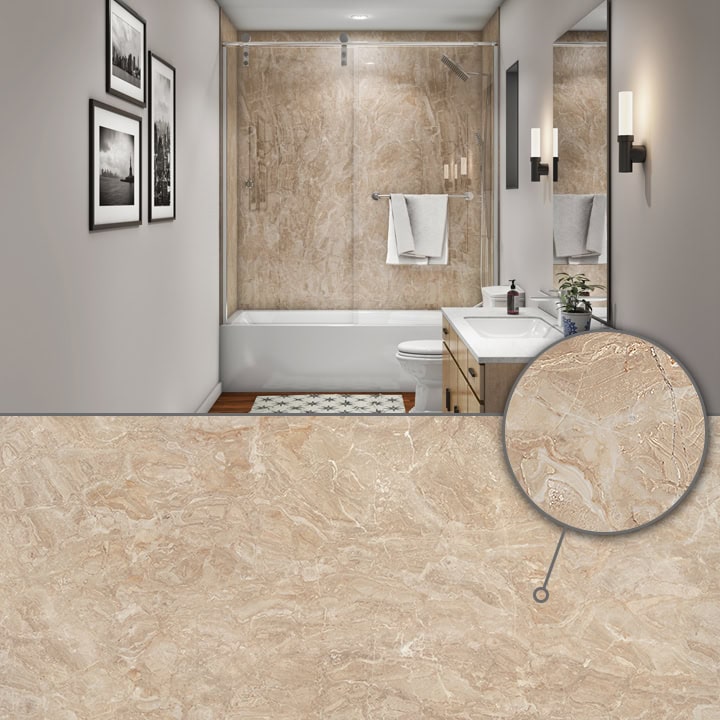
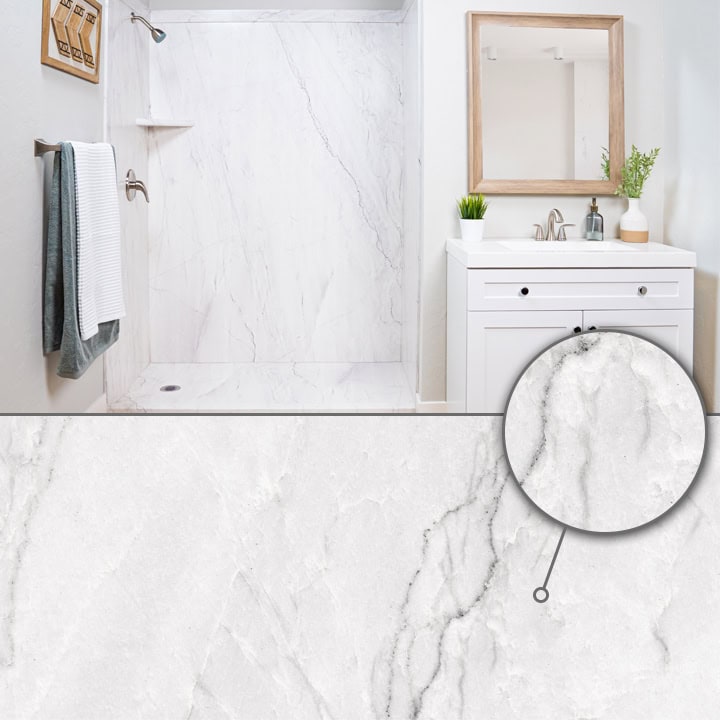
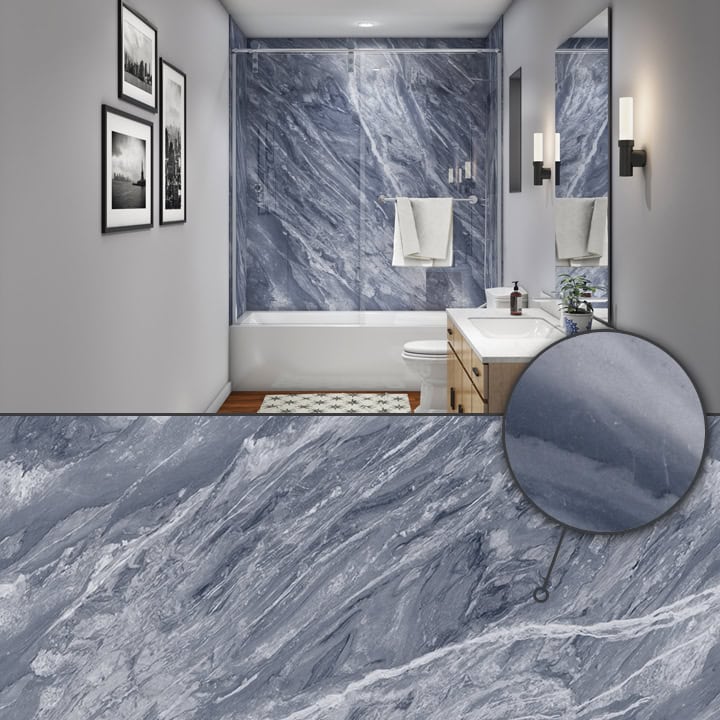
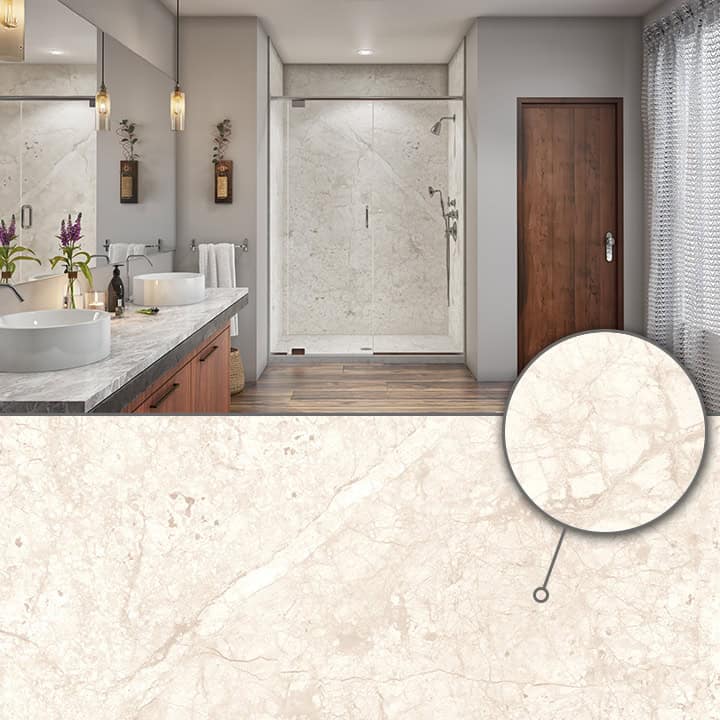
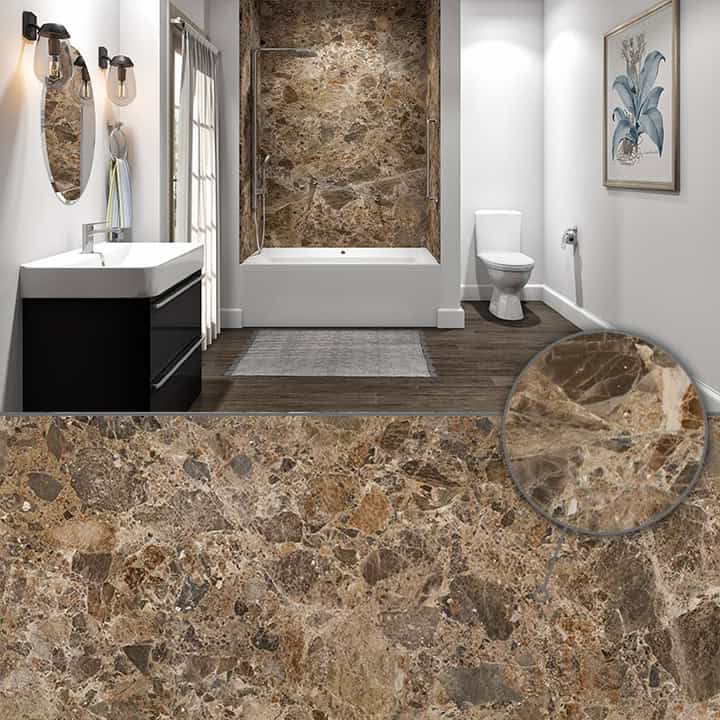
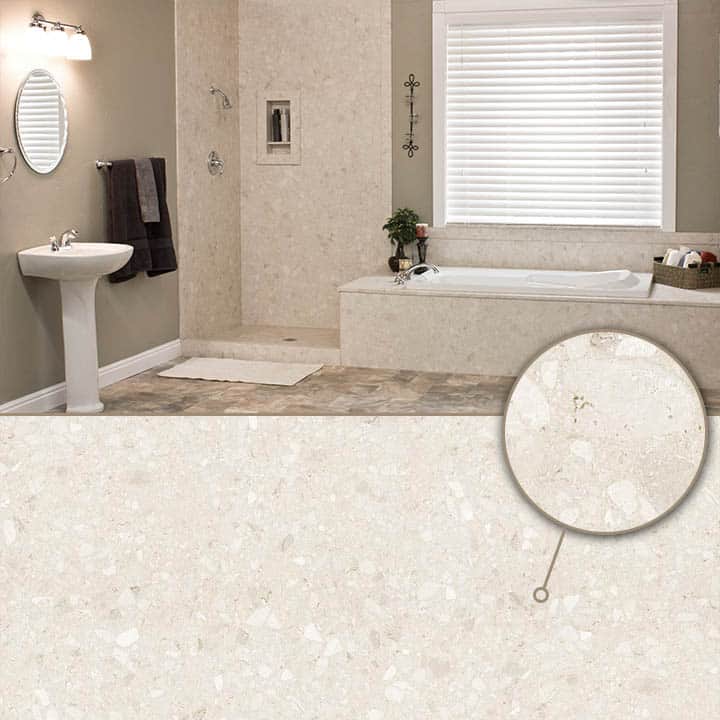
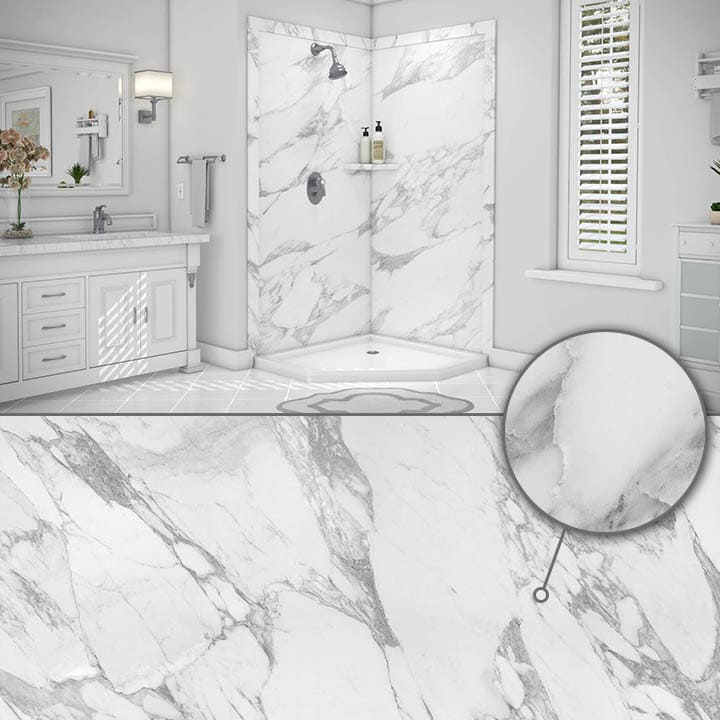
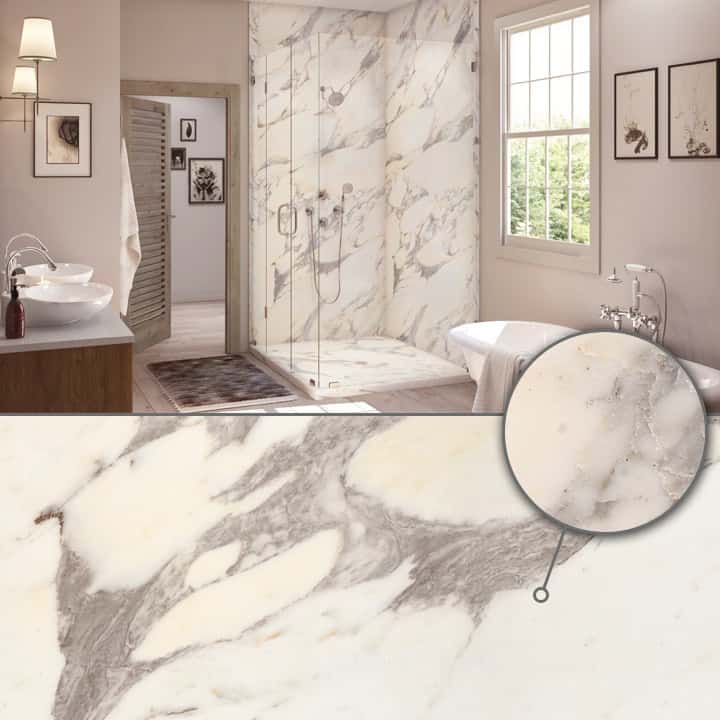
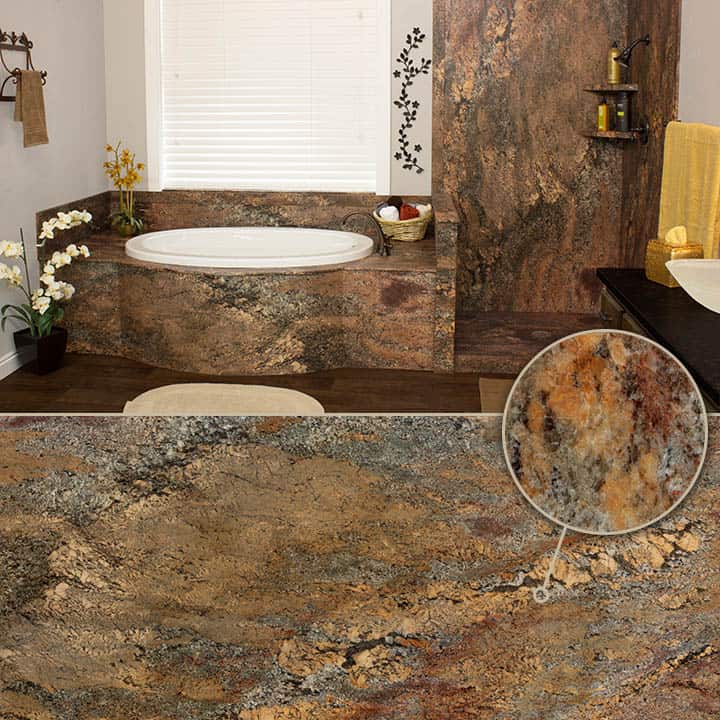
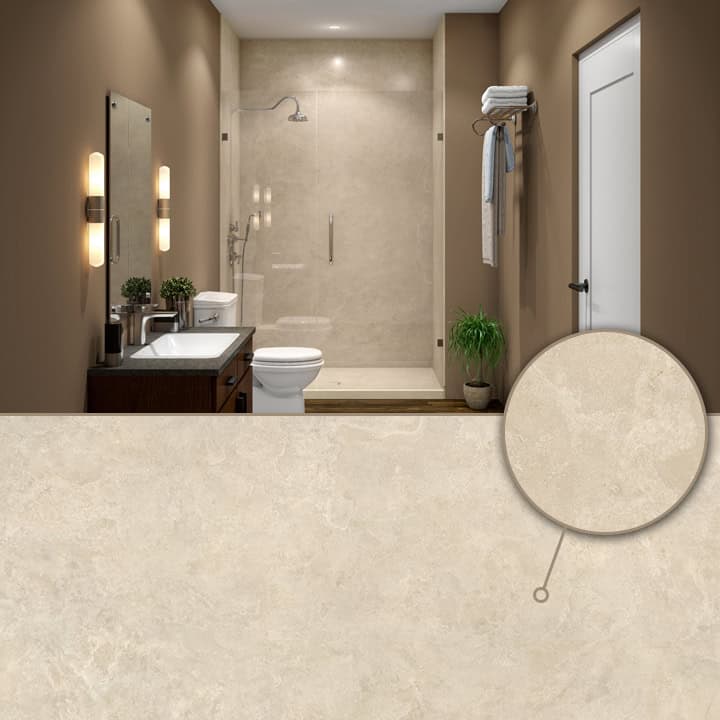
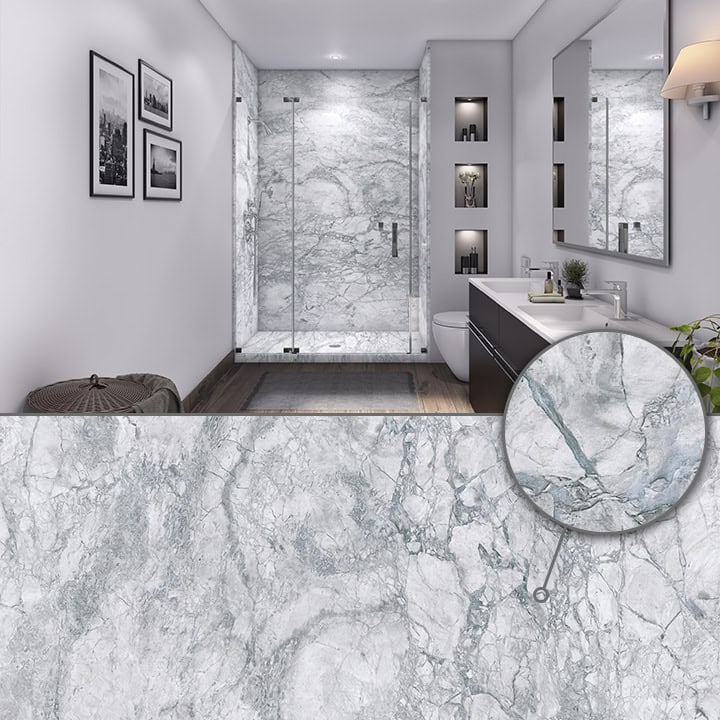
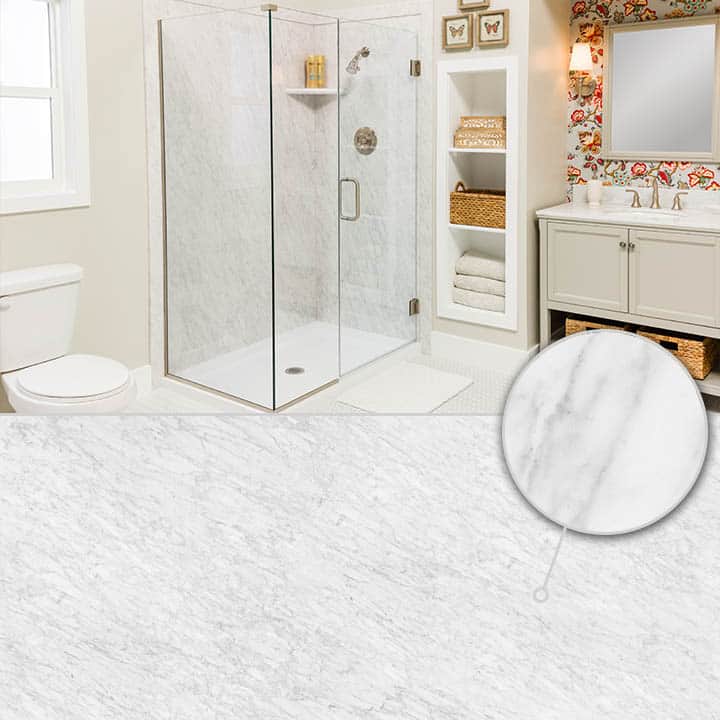
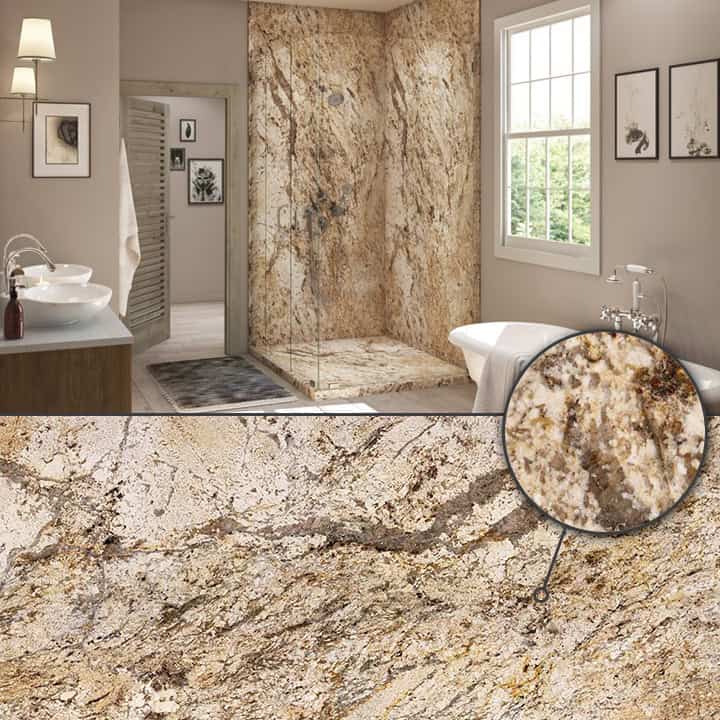
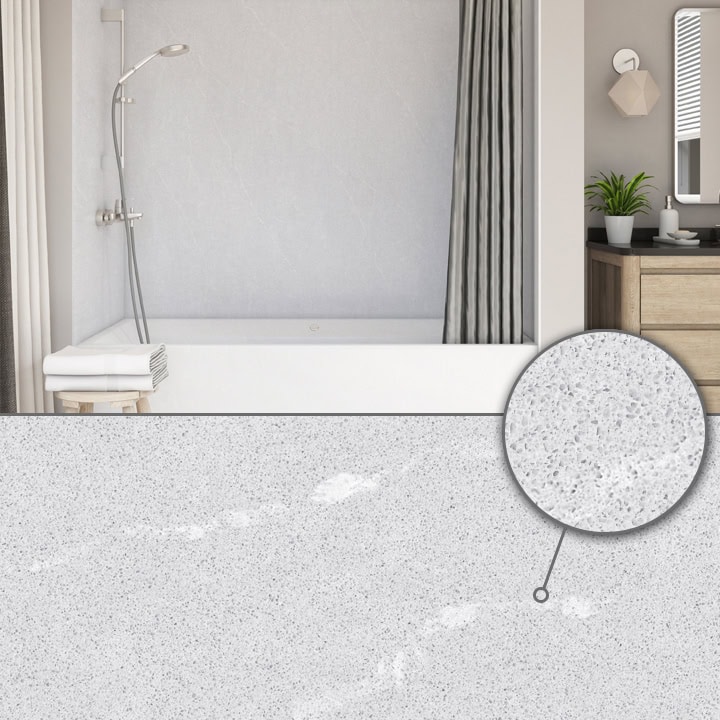
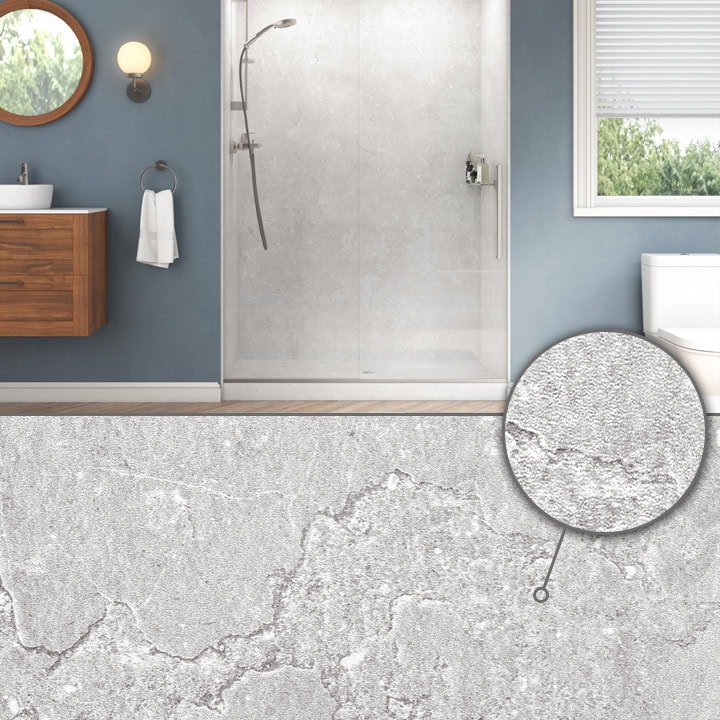
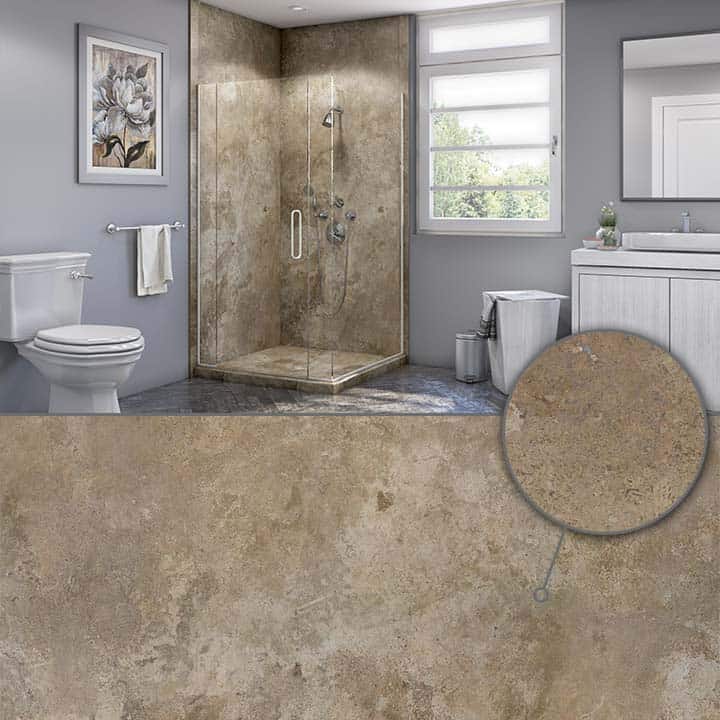
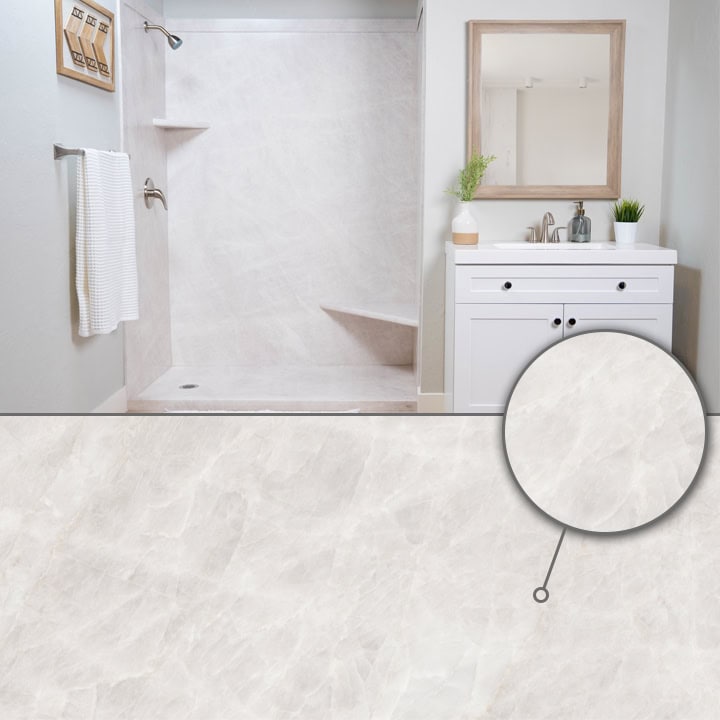
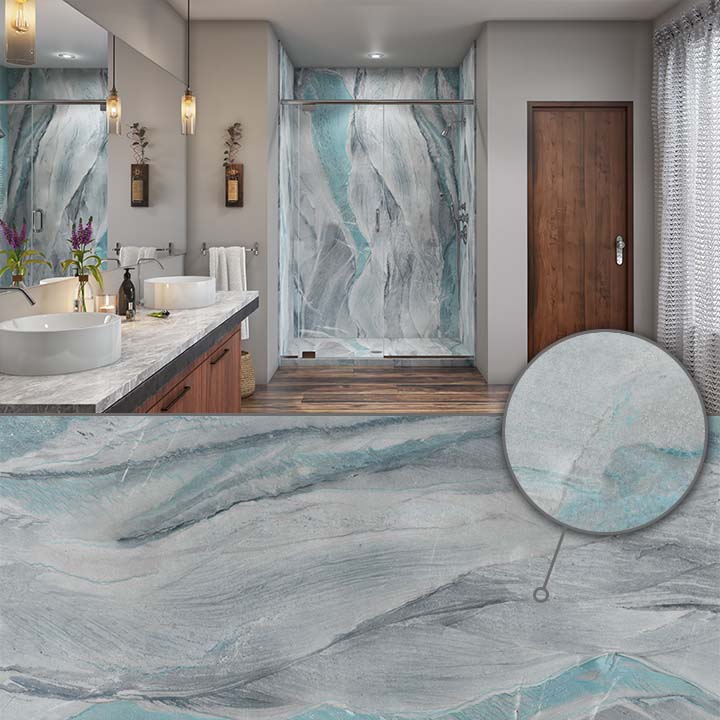
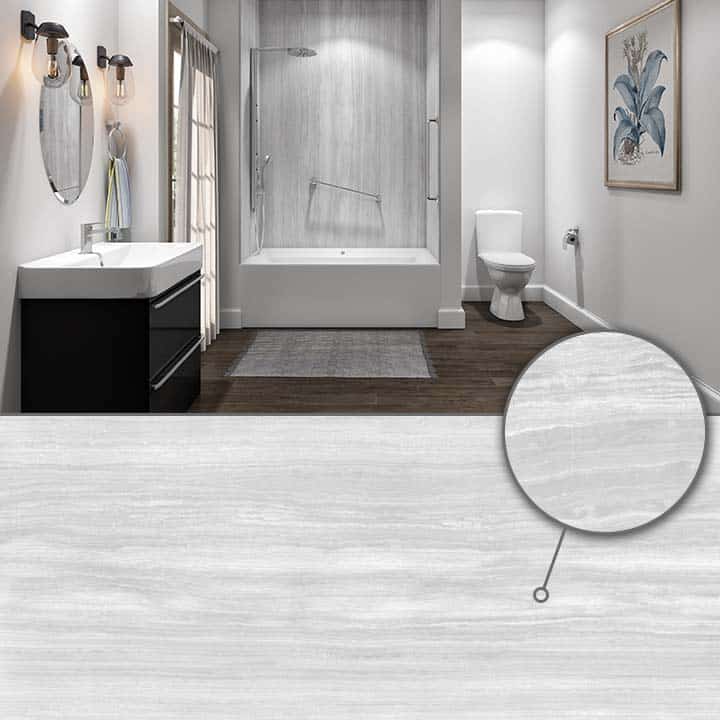
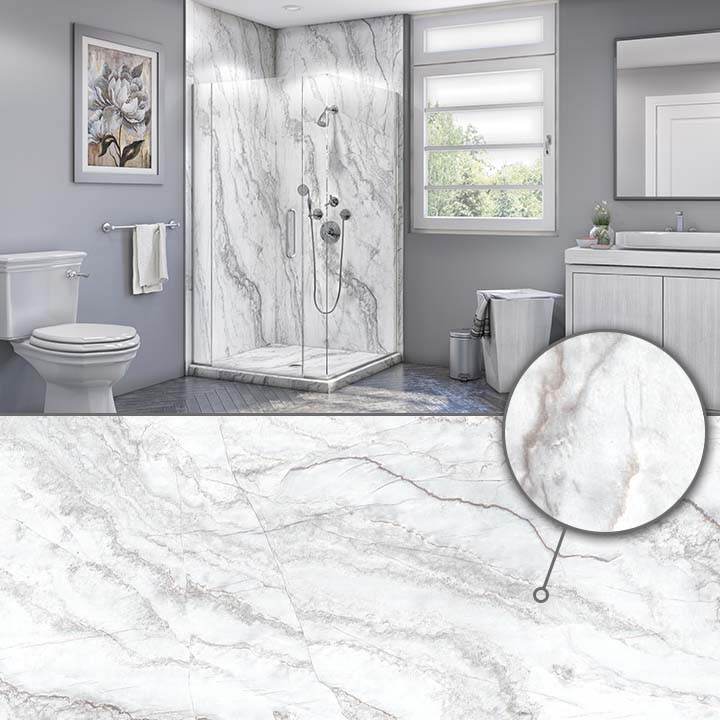
Heartland offers stone-look wall systems without traditional grout lines, providing an alternative for homeowners who want the appearance of stone without the maintenance typically associated with tiled grout joints.
Think About the Future
Your bathroom should meet your current needs, but thinking a few years ahead can help you make a better investment.
If you expect to remain in your home long-term, consider whether climbing over a bathtub wall will still be desirable later.
Features such as easier-entry shower bases, seating, grab bars, and handheld fixtures can be incorporated without making the bathroom feel clinical.
On the other hand, homeowners who genuinely enjoy baths should not remove a feature they regularly use simply because walk-in showers are popular.
Look at the Entire Design
Do not make the decision based only on the bathtub or shower itself.
Think about how the new bathing area will relate to your vanity, flooring, lighting, storage, and overall bathroom style.
Wall patterns, hardware finishes, shower glass, shelving, and fixtures can make either option feel intentional and coordinated.
The goal is not simply to replace something old. It is to create a bathroom that works better.
Frequently Asked Questions
Can my existing tub space become a walk-in shower?
Many traditional tub spaces can be converted, but the bathroom layout, plumbing, and existing conditions should be evaluated first.
Can I add a seat or grab bars during a conversion?
Yes. We offer seating, grab bars, handheld showerheads, low-entry bases, and other features that can be incorporated depending on the project.
Do I have to remodel the entire bathroom?
Not necessarily. Many homeowners update the shower area without remodeling the entire room.
Choose the Bathing Space That Fits Your Life
A new bathtub can be perfect for a household that still enjoys bathing. A tub-to-shower conversion can be a better fit when convenience, space, and easier access are the priorities.
Heartland Remodeling can help you compare both options and design a bathing area around the way you actually use your bathroom.
Schedule a free Heartland consultation and explore the right solution for your Dallas–Fort Worth home.