When a traditional bathtub becomes harder to use, many homeowners start comparing two options: a walk-in tub or a walk-in shower.
Both can make your bathroom easier and more comfortable to use, but they support different routines.
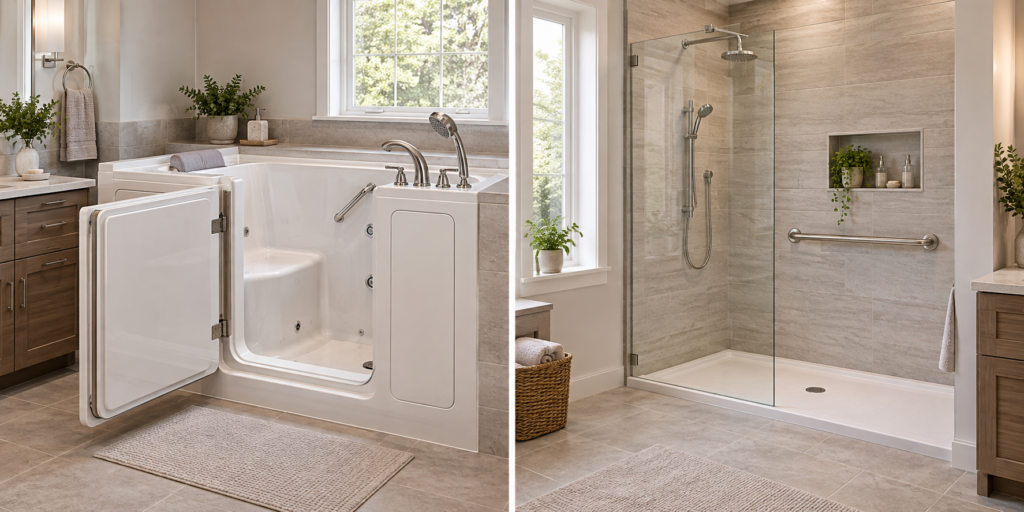
A walk-in tub lets you keep the ability to bathe while reducing the need to step over a high tub wall. A walk-in shower usually creates a more open bathing area with easier entry, more standing room, and greater flexibility for features such as seating, grab bars, and handheld showerheads.
At Heartland Remodeling, we help Dallas–Fort Worth homeowners compare accessible bathing options based on their bathroom layout, mobility needs, and everyday preferences.
The Main Difference: Bathing vs. Showering
The most important question is also the simplest:
Do you still enjoy taking baths?
If the answer is yes, a walk-in tub may be the better fit.
If you almost always shower, converting the space into a walk-in shower may make more sense.
A walk-in tub is designed around seated bathing. A walk-in shower gives you a more open space that can support both standing and seated showering.
There is no single right answer for every homeowner. The better choice depends on how you actually want to use the bathroom.
When a Walk-In Tub May Make Sense
A walk-in tub may be worth considering if you:
- Prefer soaking baths
- Want easier entry than a traditional tub provides
- Prefer seated bathing
- Want to keep a bathtub in your home
- Are planning for changing mobility needs
- Do not want to give up the comfort of a bath
Walk-in tubs typically use a watertight entry door so you can step into the tub through a lower opening instead of climbing over the full tub wall.
Because product availability can vary, we recommend confirming current walk-in tub options during your consultation.
When a Walk-In Shower May Make More Sense
A walk-in shower may be the better choice if you primarily shower and want a more open bathing space.
Depending on the project, we can incorporate features such as:
- Low-entry shower bases
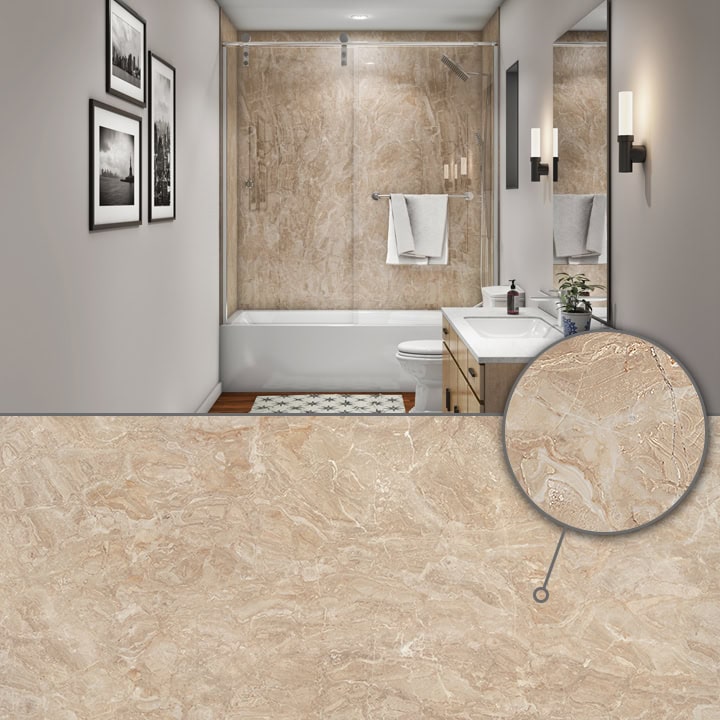
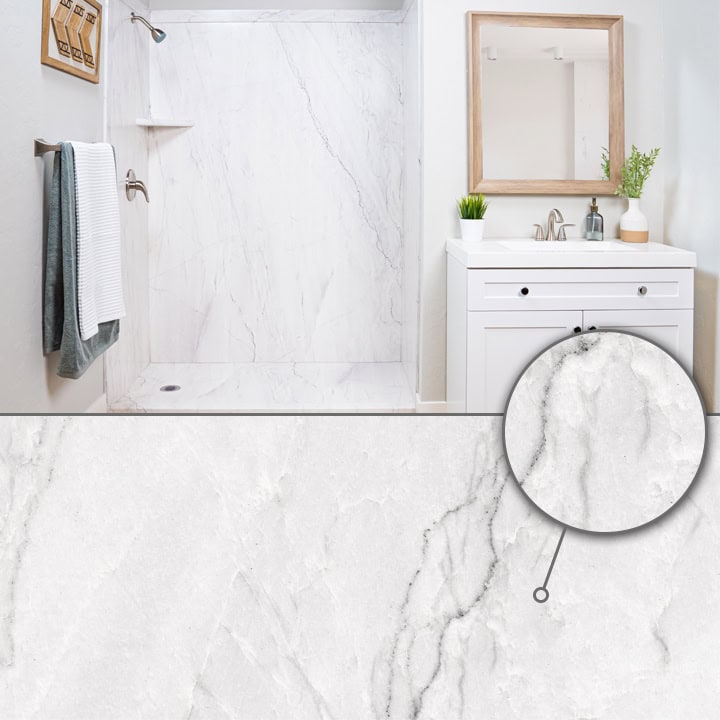
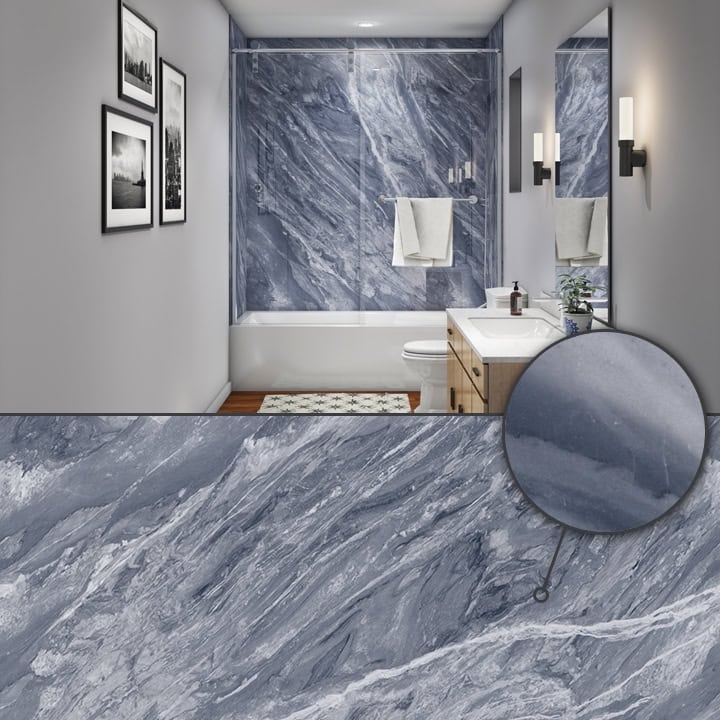
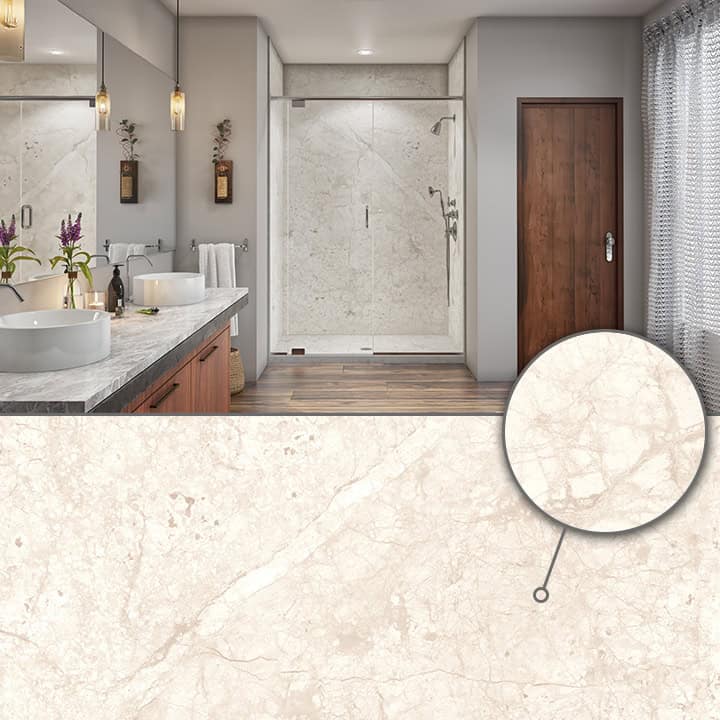
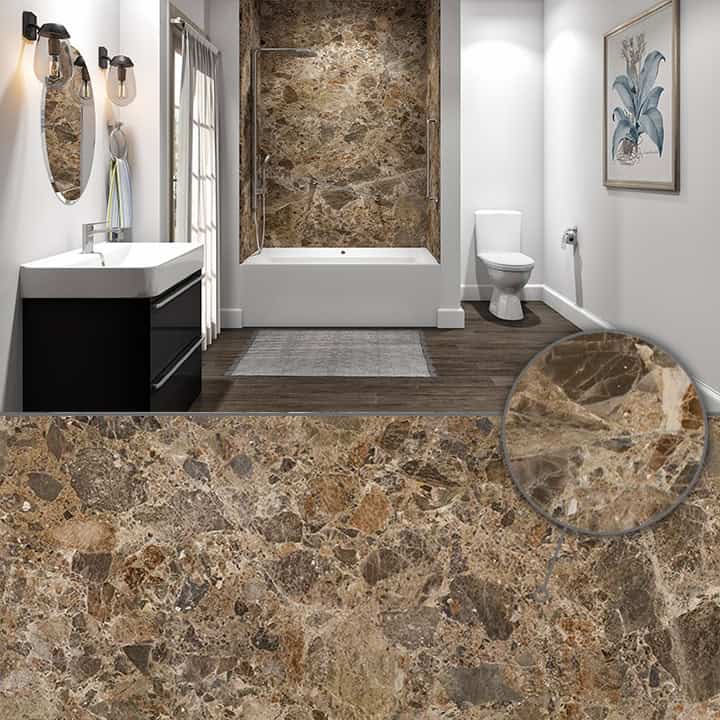
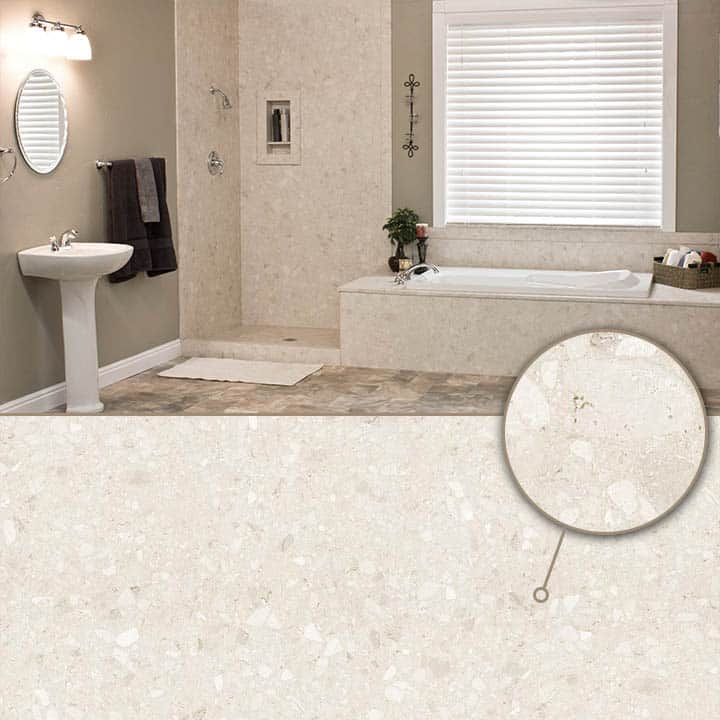
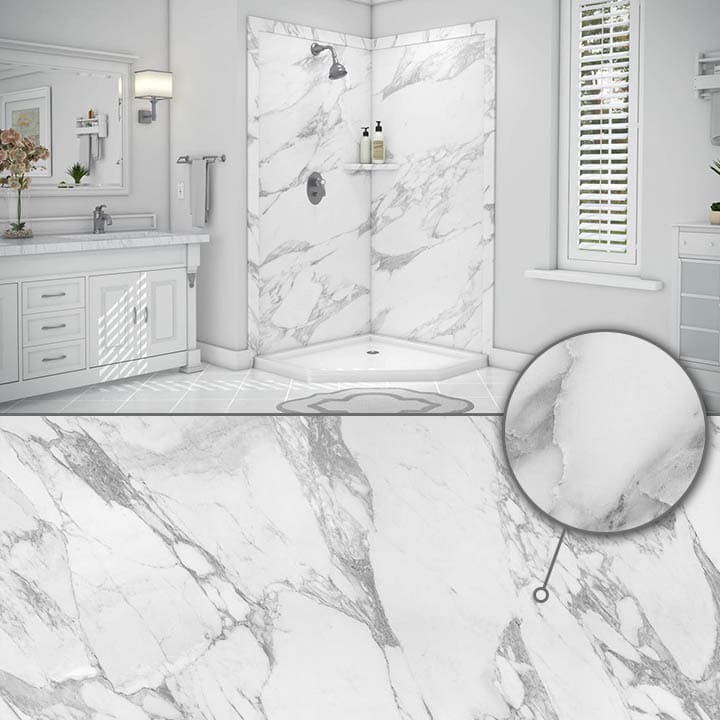
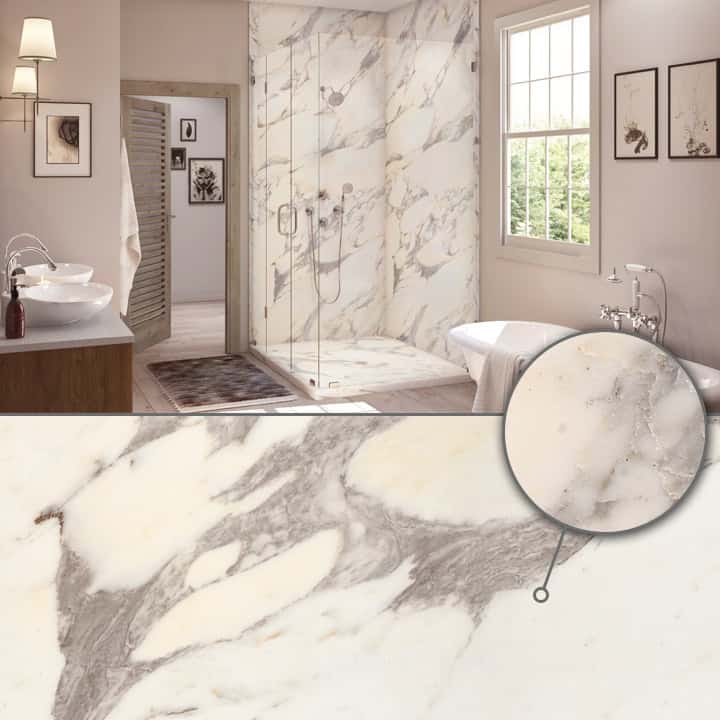
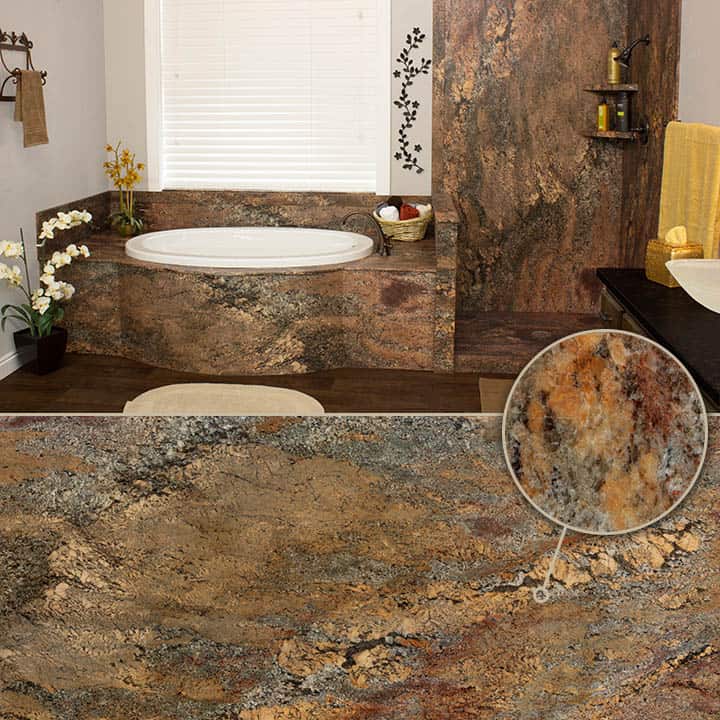
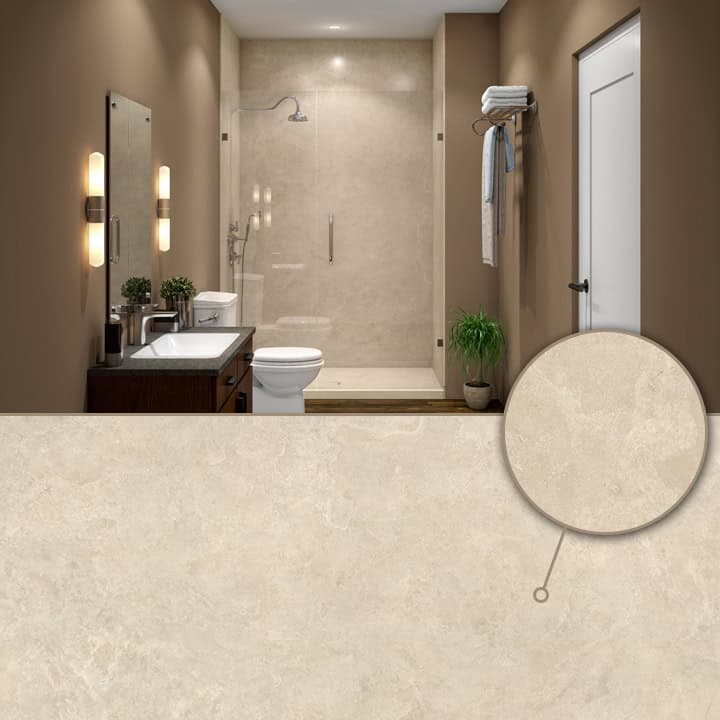
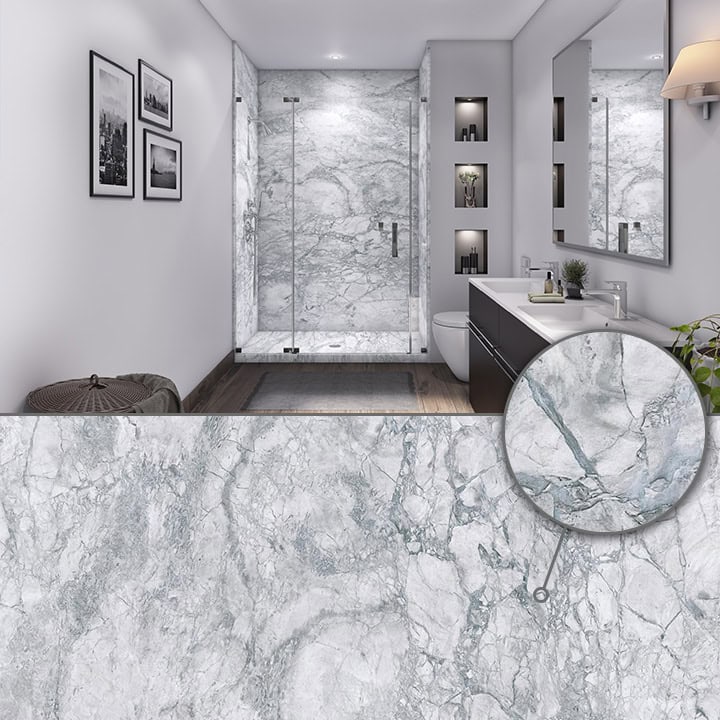
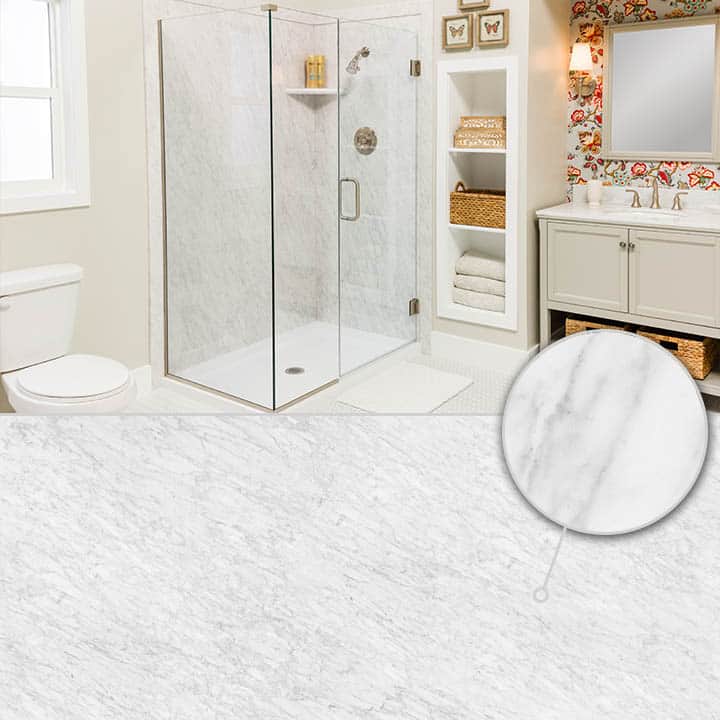
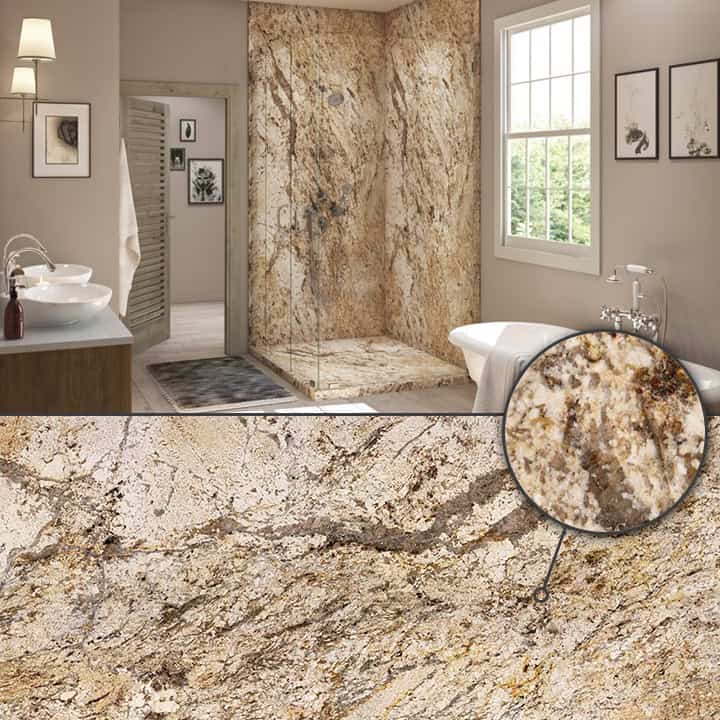
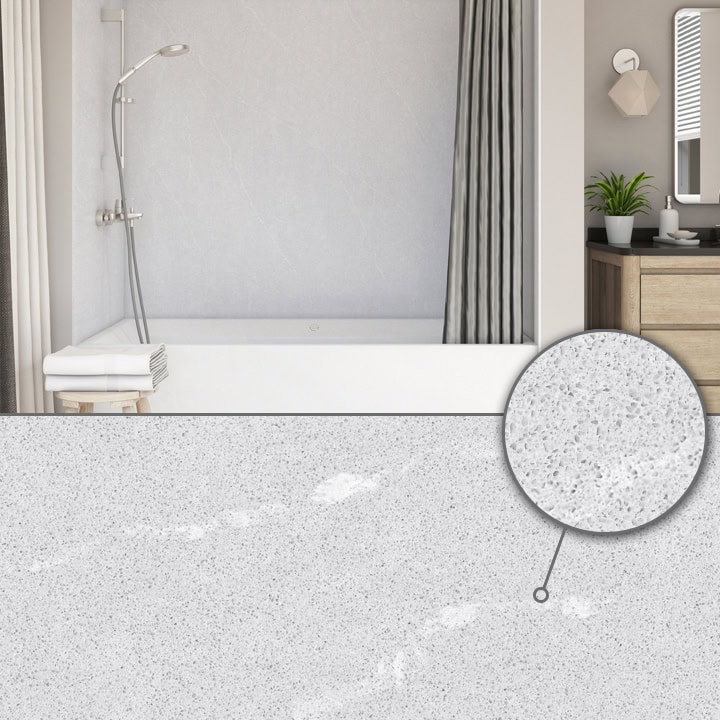
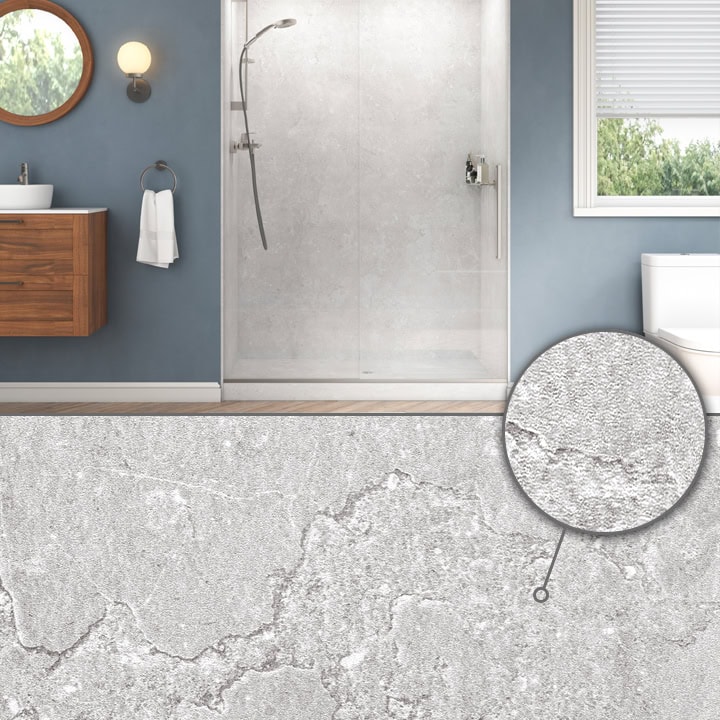
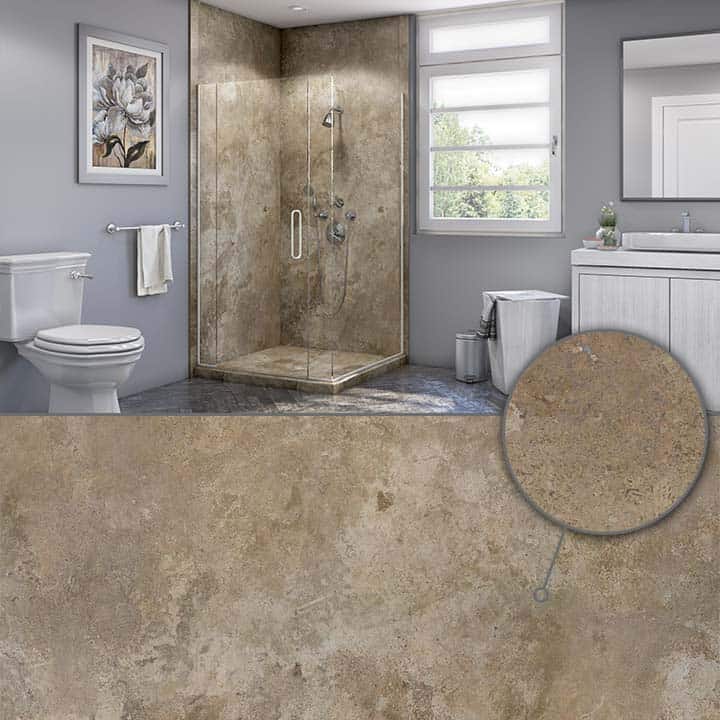
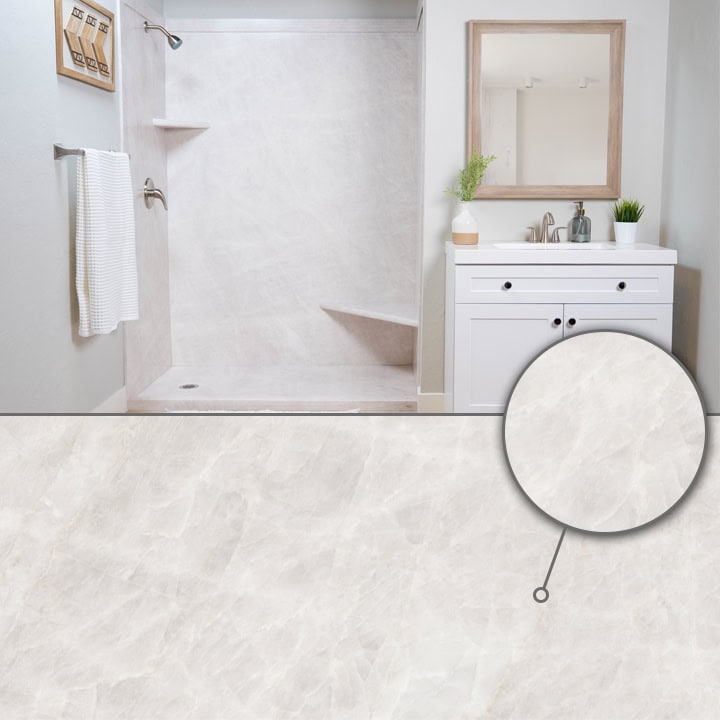
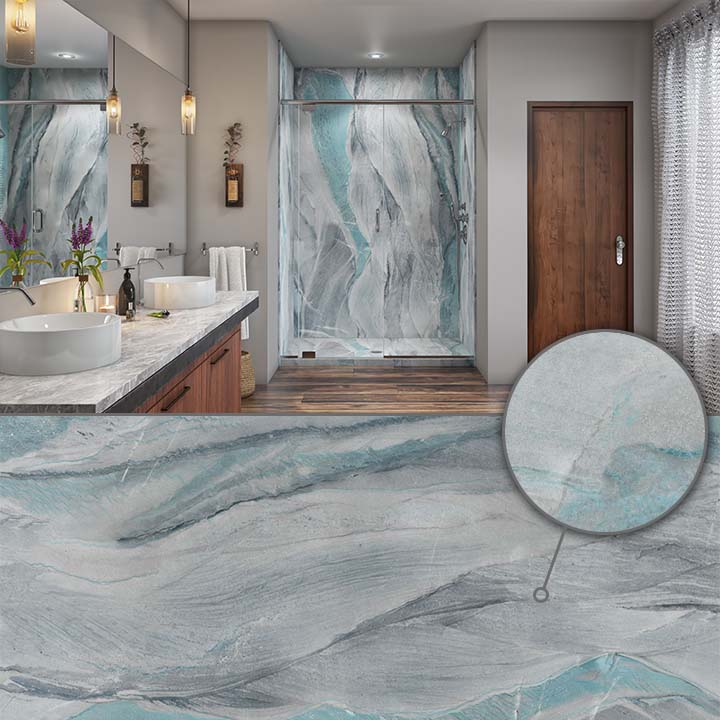
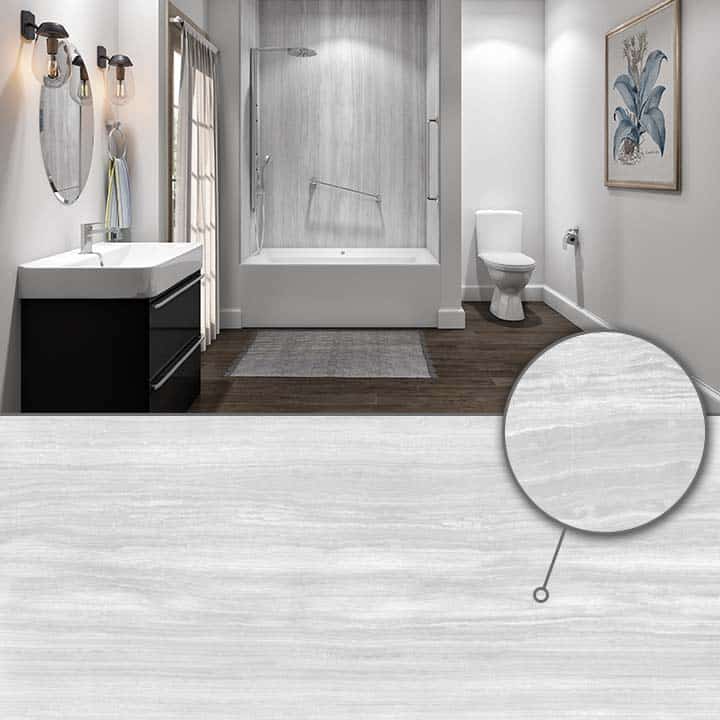
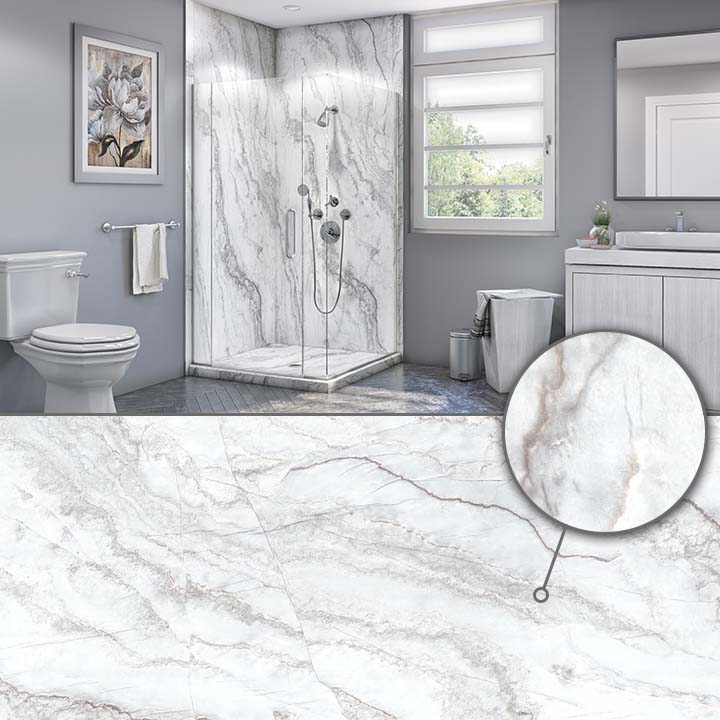
- Stone-look wall systems
- Built-in shelving
- Seating
- Grab bars
- Handheld showerheads
- Updated fixtures
- Glass shower doors
This type of layout can make the bathing area feel larger while giving you more flexibility to design around comfort and accessibility.
Compare Entry and Exit
Traditional bathtubs require you to step over a relatively high wall.
Both walk-in tubs and walk-in showers are designed to reduce that obstacle.
Walk-In Tub
You enter through a door in the side of the tub and typically sit while bathing.
Walk-In Shower
A low-threshold shower base can reduce the step required to enter the shower.
If easier entry is one of your main goals, we can help you compare the actual dimensions and configuration of both options.
Think About How Much Space You Want
A walk-in tub still occupies a bathtub-sized footprint and has enclosed sides.
A walk-in shower can often make the same area feel more open, especially when paired with glass.
A walk-in shower may appeal to you if you want:
- More standing room
- A larger-feeling bathing area
- Easier movement
- More room for seating
- A more open visual layout
A tub-to-shower conversion can be especially effective when you want to make better use of the existing bathtub footprint.
Seating Works Differently in Each Option
A walk-in tub is naturally designed around sitting.
A walk-in shower can also include seating, but it gives you more flexibility in how the space is used.
We can incorporate built-in seating or safety benches into accessible shower designs when appropriate.
That may be a better fit if you want the option to sit without committing to seated bathing every time.
Compare Everyday Maintenance
Maintenance is another important consideration.
Walk-in tubs have doors, seals, fixtures, and interior surfaces that need routine care.
Walk-in showers may offer simpler open surfaces depending on the design.
Our stone-look shower wall systems avoid traditional grout lines, which can help reduce one of the common maintenance concerns associated with tiled showers.
The better choice depends on which bathing space you find easier to use and maintain.
Consider Filling and Draining Time
A walk-in tub usually requires you to enter before filling the tub because the access door must stay closed while the tub contains water.
You also typically need to remain inside while the water drains before opening the door.
This is an important practical difference to understand before choosing a walk-in tub.
A walk-in shower does not have the same wait time before entering or exiting.
If quick, everyday bathing is important to you, that may influence your decision.
Accessibility Features Can Be Added to Either Option
Depending on the layout and selected products, accessibility features can be incorporated around either type of bathing area.
Options may include:
- Grab bars
- Built-in seating
- Handheld showerheads
- Easy-to-reach storage
- Easier-entry shower bases
- Accessible fixtures
The goal is not to add every accessibility feature available. It is to choose the features that make the most sense for you.
Which Option Is Better for Aging in Place?
There is no universal best option for an aging-in-place bathroom.
A walk-in tub may suit you if you strongly prefer baths and seated bathing.
A walk-in shower may suit you if you want easier entry, a more open space, and flexibility between standing and seated showering.
We recommend considering:
- Your current mobility
- Your expected future needs
- Bathroom size
- Household preferences
- Whether another bathtub exists in the home
- Cleaning and maintenance
- The layout around the bathing area
The goal is to create a bathroom that feels comfortable and residential, not institutional.
Consider the Rest of the Household
The right bathroom solution should also work for everyone else who uses the space.
If multiple family members share the bathroom, think about whether they prefer bathing, showering, or both.
You may also want to consider whether another bathroom in the home already has a bathtub.
For example, you may feel more comfortable choosing a walk-in shower in the primary bathroom if a traditional bathtub is still available elsewhere in the house.
Frequently Asked Questions
Is a walk-in tub safer than a regular bathtub?
A walk-in tub can reduce the need to step over a high tub wall, but no bathing product removes all risk. The right design depends on your mobility, bathroom layout, and the other features included in the project.
Can a walk-in shower include a seat?
Yes. We can incorporate built-in seating or safety benches into accessible shower designs depending on the layout and project.
Can I add grab bars to either option?
Yes. Grab bars can be incorporated into many accessible bathroom projects depending on the design and selected products.
Can you convert my existing bathtub into a walk-in shower?
Yes. Tub-to-shower conversions are one of our core bathroom remodeling services throughout Dallas–Fort Worth.
Choose the Bathing Option That Fits Your Routine
The right accessible bathroom should reflect how you actually want to use it.
If you still enjoy bathing, a walk-in tub may give you a more comfortable way to keep that routine. If you primarily shower, a walk-in shower may provide easier entry, more space, and greater flexibility for seating and accessibility features.
We can help you compare the options and determine which design makes the most sense for your bathroom.
Schedule your free consultation with Heartland Remodeling or call 214-677-0231 to compare walk-in tubs, walk-in showers, and other accessible bathing options.